The very first time I aided a next-door neighbor install a lawn sprinkler system, we set aside one weekend break. We ended up on the 3rd, sore, sunburnt, and a little humbled. The system worked, although we spent the next month dialing in head positioning, fixing tiny leakages, and discovering why water pressure on paper does not always match what appears of a trench line after 8 tees and an increase in grade. That experience educated me a fact I have actually seen repeatedly: when it concerns sprinkler installation, layout choices made on day one resemble for many years, in water costs, in plant health and wellness, and in just how usually you find yourself down in the dust doing sprinkler repair.
This is not a scare piece. A lot of house owners develop reliable, resilient systems and take satisfaction in the results. A lot of landscapes also take advantage of expert staffs that knock senseless a tidy, code certified set up in a day, after that return seasonally for sprinkler maintenance that maintains water use in check. The ideal selection depends on your building, your cravings for learning and labor, and the means you value time, threat, and long-term performance. The sections listed below set out what truly matters as you decide.
What a Working System Actually Requires
A sprinkler system is not simply heads and pipeline. It is a hydraulic network that needs to match the capacity of your water source, supply also protection in the wind you obtain, think about inclines and soil infiltration, secure your alcohol consumption water with heartburn avoidance, and string with yards, patio areas, and utilities you can not see from the surface area. 4 structures deserve your attention.
First, evaluate your water. You need static pressure, vibrant pressure under flow, and actual flow price in gallons per minute. A simple bucket examination can provide you a harsh flow, yet a pressure gauge threaded onto an outside tube bib is better, and a test under load is best. If your pressure swings from 45 psi in the morning to 60 psi in the evening, that has effects for head selection and stress regulation.
Second, design true neck and neck coverage. Sprays and rotors are made to overlap. A 15 foot spray must be 15 feet from the next, not 18 due to the fact that it looked nicer on the sketch. If you leave completely dry triangles in between arcs, lawn will reveal you the gaps within a week of summertime heat.
Third, keep zones homogeneous. Blades use water slowly, fixed sprays faster, and drip even slower. If you blend these on a single valve, you will certainly overwater one area or underwater another. Team plants with similar water needs, and suit rainfall prices throughout heads in the same zone.
Fourth, prepare for water top quality and safety. The majority of towns need a backflow preventer, and some need permits and assessments. Backflow is not an academic worry. A pipe in a plant food container, a damaged main, and a stress drop can siphon chemicals right into your potable lines. Insist on a proper assembly and annual testing if your jurisdiction calls for it.
The DIY Path: What You Take On
DIY sprinkler setup allures completely reasons. You manage the format, you conserve labor prices, and you discover your system throughout. That knowledge helps with later lawn sprinkler fixing and regular lawn sprinkler upkeep. Still, a clear eyed understanding of the job assists you make a decision if it fits your situation.
Expect comprehensive planning. Sketch your lot, step hardscapes, and note sunlight, color, and wind corridors. Determine plant kinds and dirt. Clay soaks up water gradually, sandy loam rapidly. Slope impacts drainage and run times. If you size zones by hose bib circulation without accountancy for friction loss in pipe and fittings, you might run a lot https://deanrlen201.quantlynix.com/posts/the-full-overview-to-lawn-sprinkler-setup-for-a-lavish-grass of heads per area and see pressure sag at the much end.
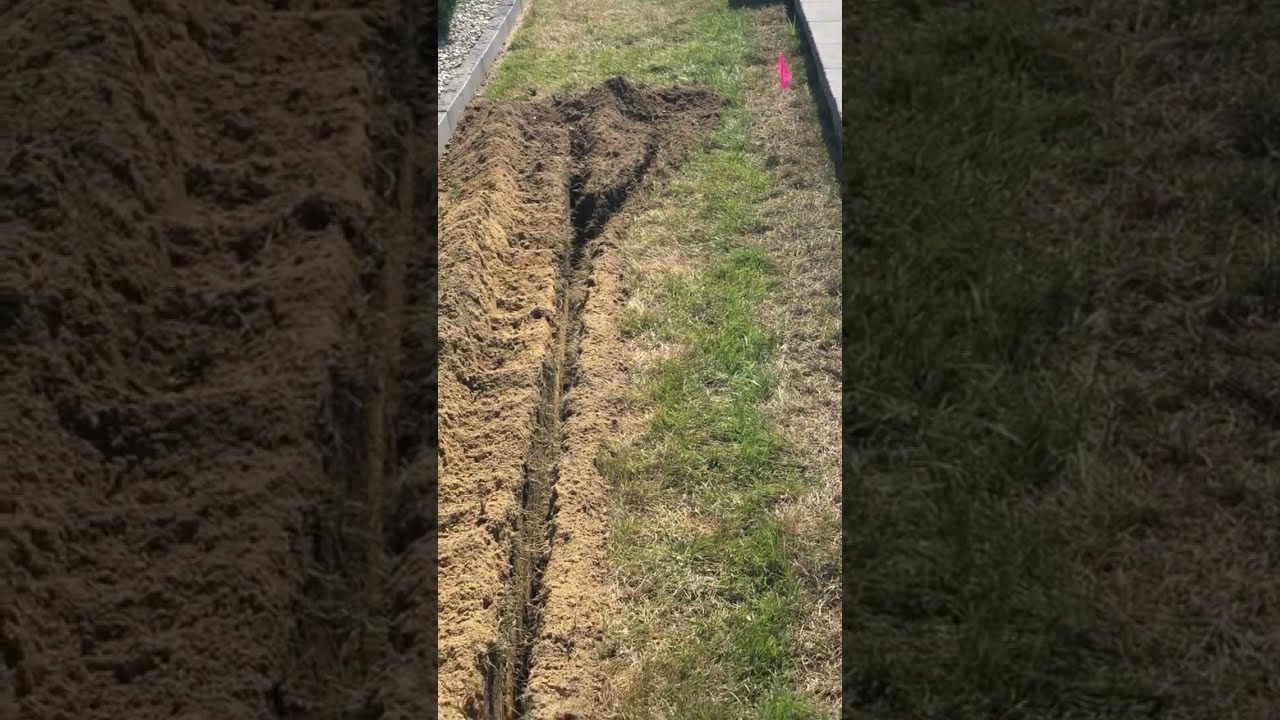
Expect dirt. Even with a leased stroll behind trencher, you will hand dig near origins, utilities, and garden beds. Trenches for lateral lines commonly run 6 to 12 inches deep, much deeper in freeze climates or where traffic lots demand. Main lines usually go a bit much deeper and use Set up 40 PVC or thick wall poly, depending on regional practice. You will carry and backfill dirt, tamp to stay clear of settling, and rake continuously to bring back quality. If you are crying in week three, you are not alone.
Expect version. A layout that looked well balanced can move when you run into an unmarked stump or a superficial gas line. I have actually seen house owners pivot from sprays to rotating nozzles midstream as a result of stress restrictions, then relearn spacing standards. None of this is fatal, it just adds hours.
Expect code knowing. A pressure vacuum breaker or a decreased pressure zone setting up may be mandated based on whether your lawn sprinklers are over or listed below the greatest downstream outlet. Several cities call for that setting up to be 12 inches over quality and within an established range of the source. Some require a licensed contractor to link to the primary, though you can often run all lateral job yourself.
Finally, anticipate adjusting. As soon as you turn on water, you will change arcs, modify nozzles, and program the controller. If you add a clever controller later, you will certainly invest a couple of nights matching its cycle and soak reasoning to your dirt. This is where a person DIYer shines.
Here is a basic pre DIY reality check to run through prior to you commit:
- Have you measured static and vibrant pressure, and confirmed genuine circulation at the source you will certainly use? Do you have a backflow plan that satisfies neighborhood code, including positioning, allows, and screening if required? Can you trench, lay, and backfill 300 to 800 direct feet in your soil within your available time? Will your layout keep blades, sprays, and drip on different zones, with matched rainfall rates and neck and neck coverage? Are you comfy collaborating with PVC or poly fittings, solvent welding or clamping appropriately, and pressure testing prior to backfilling?
If those 5 obtain a certain yes, you remain in the zone where DIY can beam. If not, there is no embarassment in generating a pro for component or every one of the job.
The Professional Course: What You Get For The Money
The largest difference I see between house owner systems and specialist installs is not brand name or part top quality. It is design and tuning. A seasoned installer knows, from a quick walk and a pressure reading, whether a system should be four areas or 7, which heads will combat the afternoon wind, and where to split a long run to keep rate down. On a normal rural lot, a 2 to 4 person staff will trench, lay, attach, flush, and backfill in a day. They construct this rhythm all season.
Professionals bring code compliance virtually by muscle memory. They install the ideal backflow tool and file the license. They put seclusion valves where a future fixing will certainly not mean shutting down the entire house. They stub drip lines to beds and top them easily for future growth. They set valves in boxes that drain and make use of oil caps on cord interlaces, which indicates your future self is not fishing for corroded connections in mud.
A good service provider also carries out a water audit after installation. They run each zone, measure stress at the heads, and make use of catch mugs or at least an aesthetic technique to evaluate distribution harmony. High circulation harmony means much shorter run times for the exact same plant health and wellness. In my market, an ordinary DIY system that a home owner asks me to assess has a harmony in the 0.5 to 0.6 variety. A tuned expert system lands in the 0.7 to 0.8 array. That difference usually turns up as 10 to 25 percent less water use for the exact same result.
There is likewise warranty and service. Lots of service providers service warranty components and labor for one to 3 years, often much longer on significant elements. If a valve sticks in the very first warm week of July, a phone call obtains it fixed. Rolling that assistance into your expense calculus makes sense, specifically if your very own timetable is tight.
Cost, Time, and Hidden Line Items
Numbers assist. On a flat quarter acre whole lot with front and back lawn, a standard 6 to 8 area system with a standard controller frequently lands in the 3,500 to 6,500 dollar range when installed by a trusted service provider, more if you include drip in beds, a Wi Fi controller, and pressure regulated heads. DIY material expenses for the exact same footprint usually fall in the 1,000 to 2,500 buck array, plus tool leasing. A stroll behind plate might be 100 to 200 dollars daily. Add in a stress vacuum breaker, usually 150 to 350 bucks partially, and a permit if required, which can run 50 to 200 dollars.
Time is the sleeper expense. On that particular very same great deal, a convenient homeowner with help will certainly invest two to 4 full days if everything goes efficiently. If you are finding out solvent welding or fighting rocky soil, budget plan more. If you are in a freeze environment and need to hide deeper and sleeve under a driveway, add even more still. For several, hiring a pro has to do with compressing two weeks of nights and weekends into one workday.
Hidden expenses cut both means. Blunders are expensive, whether you pay on your own or pay somebody else to repair them. Running too many heads on an area can compel a downstream retrofit to split the area and draw a new shutoff, a half day with open trenches once more. Missing a stress regulator on sprays in a high stress community can mist fifty percent your water into the road. On the professional side, a low bid that omits licenses or utilizes non pressure managed heads can set you back more in the long run.
Performance and Water Efficiency
Water is not cost-free, also where rates appear reduced. The less costly the water, the easier it is to overlook ineffectiveness, till a brown place shows up and you crank run times just to be risk-free. Actual efficiency originates from a few disciplined choices.
Head kind and nozzles matter. Taken care of sprays deliver higher rainfall prices, frequently around 1.5 to 2 inches per hour. Rotors and rotating nozzles apply 0.4 to 0.6 inches per hour. If your soil can only absorb 0.3 to 0.5 inches per hour prior to runoff, then sprays need cycle and saturate programs, or you will water the walkway. Stress law built into heads or at the area degree transforms mist back right into droplets, which minimizes wind drift and conserves water.
Coverage uniformity is greater than a buzzword. When one edge obtains half the water of one more, you push total run times up to save the vulnerable point. You waste water on the strong side. Excellent spacing and matched nozzles keep the entire zone constant so you can dial run times down.

Smart regulates aid, but they are not magic. Weather condition based controllers that adjust runtimes based on evapotranspiration can trim 10 to 20 percent off water make use of if the system is audio. If you have poor insurance coverage or mix sprays and rotors on the exact same zone, a clever controller mainly automates your errors. I like them ideal when coupled with excellent style, soil based cycle and soak, and a rainfall sensing unit or circulation sensing unit that really closes the system down when a valve sticks.
Drip irrigation for beds remains underused. Drip uses water at the root area, below compost, with minimal evaporation. It calls for a pressure reducer and a filter on the area and tidy directing through beds where you can reach it for future changes. For bushes and beds, drip beats above nearly every time.
Risk, Liability, and Safety
A shovel that skims a hidden cable television can turn a Saturday right into a long telephone call with an energy company. Call 811, or your regional utility locate service, well before you dig. They will certainly mark public lines in your right of way. Personal lines inside your residential or commercial property, like a gas stub to a grill or electric to a shed, may call for a private find service or careful probing.
Backflow protection is a health and wellness problem, not just a code checkbox. Set up the proper tool for your conditions, put it where it will certainly not flooding in heavy rain, and preserve it. If your city requires yearly testing, put it on your calendar.
In freeze climates, plan for winterization. Equipments that can not be self draining need to be burnt out with compressed air in the loss. Do not utilize a pancake compressor from the garage. Many can not deliver the continual volume you need without overheating. A pro will certainly use a tow behind or a high capacity system and restriction stress to protect parts. If you anticipate to hire out winterization, consist of that in your budget for ongoing lawn sprinkler maintenance.
Insurance can matter. If you struck a water pipe or city tree origins, someone will certainly pay. Inspect your homeowner's policy and, if hiring, examine that your professional brings obligation insurance coverage and employees' compensation.
Property and Environment Subtleties That Modification the Math
A portable city great deal with 2 areas of grass and basic beds is a various animal than a one acre residential or commercial property with mature trees, gusty direct exposures, and grade modifications. Subtlety drives the far better choice.
Heavy clay on a slope requests for reduced precipitation heads, brief run cycles, and occasionally check valves on heads at the end of a hillside to prevent low head drain. These details often obtain missed in very first time do it yourself jobs. If your home sees afternoon winds above 10 to 12 miles per hour most summer days, rotor spacing and arc choices change. In a narrow side backyard, subsurface drip or strip pattern nozzles can outperform badly spaced sprays that overshoot fences.
Water resource additionally matters. If you utilize a well, cycle run times to allow the pump rest and to avoid attracting down the well when bordering homes do laundry in the evening. If you have recovered water, follow the shade coded pipe and head rules your city sets, and never ever cross attach to safe and clean. Those conformity details push lots of homeowners toward specialist installation.
Mature landscapes carry risk. Trenches near tree origins call for careful directing and, often, sleeving. You might select to hand dig around origins to avoid cuts that emphasize a preferred oak. A pro who has operated in older communities will certainly know when to reroute and when minimal trimming is safe.
Maintenance Over the Lengthy Haul
A sprinkler system is just as good as its upkeep. Even well constructed systems drift off-key. Heads sink as soil clears up. Pets kick spray bodies out of positioning. Controllers shed setups in a power flicker. If you stay up to date with seasonal checks, you cut the number of emergency situation sprinkler repair calls, conserve water, and protect plants.
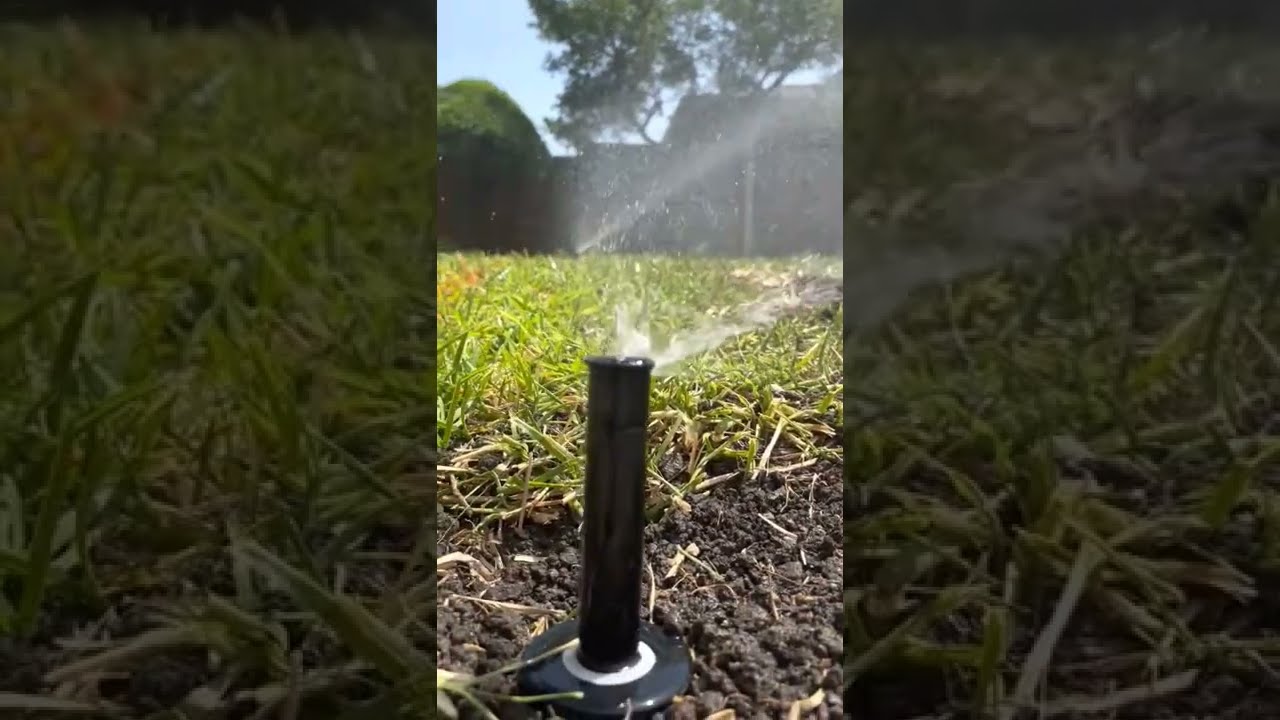
Routine sprinkler upkeep starts with observation. See each zone perform at the very least twice a season. Seek fogging at heads, which indicates high pressure or a missing pressure regulatory authority. Search for doughnuts of eco-friendly around heads with brown in between, a traditional sign of poor overlap. Note any bubbling that recommends a lateral line leakage. Tidy or replace blocked nozzles, particularly on drip areas where filters capture most, however not all, debris.
Electrical issues prevail and reparable. Valve solenoids occasionally fail. Low voltage cords can obtain nicked. Usage waterproof adapters in valve boxes and keep spares available. A multimeter and a simple cord tracer speed diagnosis. If repairing is not your point, this is where a quick pro see pays for itself.
Winter jobs matter in cold areas. Blowouts avoid split pipes. In springtime, open valves gradually, see the heartburn gadget for leakages, and run each zone to flush prior to re installing nozzles. Mid season, after mowing elevation adjustments or aeration, reset head elevations so they remove the grass without misting into the air.
A short, repeatable seasonal checklist can keep you sincere:
- Spring start-up: pressurize slowly, evaluate the backflow preventer, flush lines, set standard schedules. Early summer: examine coverage with catch mugs or a quick aesthetic audit, adjust arcs and heights, verify rainfall or dirt sensors. Mid period: examination each shutoff, seek leaks, clear clogged up nozzles, update controller runtimes for warmth waves. Fall: reduce runtimes as temperature levels drop, cap and shield heads in high web traffic areas during overseeding, routine winterization. Winter: if appropriate, full blowout, close seclusion shutoffs, and log any type of repairs to take on very early following season.
Whether you DIY or employ a professional, these little practices prolong the life of your system and maintain water expenses predictable.
When DIY Makes good sense, And When It Does Not
I encourage DIY when a home owner brings curiosity and perseverance, when the home is simple, and when there is time to do it right. If you have a rectangular yard, excellent accessibility, reasonable dirt, and you want to discover pressure, flow, and rainfall prices, you can set up a system that matches an expert job. The cash minimized labor can go into pressure managed heads, a better controller, or including drip to shrub beds.
I lean toward specialist installation when the property or context raises the stakes. Larger great deals, intricate qualities, tight wind hallways, challenging dirt, or rigorous community needs push the balance towards experience. If the water meter sits much from the major growing location and you have to navigate under a driveway or via solution rich locations, a specialist with a pipe pulling equipment and an exercised crew will certainly obtain it done cleanly. If your timetable is limited or if you prefer to deal with just regular lawn sprinkler maintenance and leave design and harsh in work to others, hiring is a smart choice.
There is additionally a middle course. Many service providers provide style only solutions. You pay for a plan with areas, head types, and pipe sizing, then self carry out the install. Some will certainly rough in the main, heartburn, and valves, and you run laterals and heads. Others will certainly finish the install, and you take care of continuous changes and minor sprinkler fixing. Mixing roles usually delivers the most effective of both worlds.
How To Review a Contractor Without Transforming It Into A Chore
Keep this straightforward and based. Ask to see a current job similar to your property. Walk it. Search for clean head spacing, heads purge with quality, and valve boxes you can open without digging. Inquire about their technique to pressure guideline and drip in beds. A good answer seems details, not salesy. Confirm certificate, insurance, and whether permits and backflow testing are included. Obtain a clear guarantee in writing.
Pay attention to controller shows at turn over. A thoughtful installer will leave you with first routines that mirror your soil and plant types, not a generic 10 mins everyday. They will additionally reveal you exactly how to make seasonal modifications without calling them back for every little change.
Final Perspective
I have actually drawn pipeline in July warm, chased after busted solenoids at sunset with insects for business, and enjoyed parched fescue rebound when a negative arc lastly got corrected. The craft of irrigation benefits careful arrangement and constant upkeep. Whether you do it yourself or hire it out, go for a system that appreciates water, safeguards your home's wellness with correct heartburn prevention, and offers you time back on weekends. If you maintain those top priorities in view, the choice tends to make itself.
And if you do wind up in the trench, take a min to note every cord and take photos prior to you backfill. Your future self, or your future service provider, will thank you the first time a line needs a quick sprinkler fixing after a tough winter months or a zealous oygenation. That small practice, greater than any brand name selection or fancy attribute, is what separates a system that ages well from one that maintains you guessing.